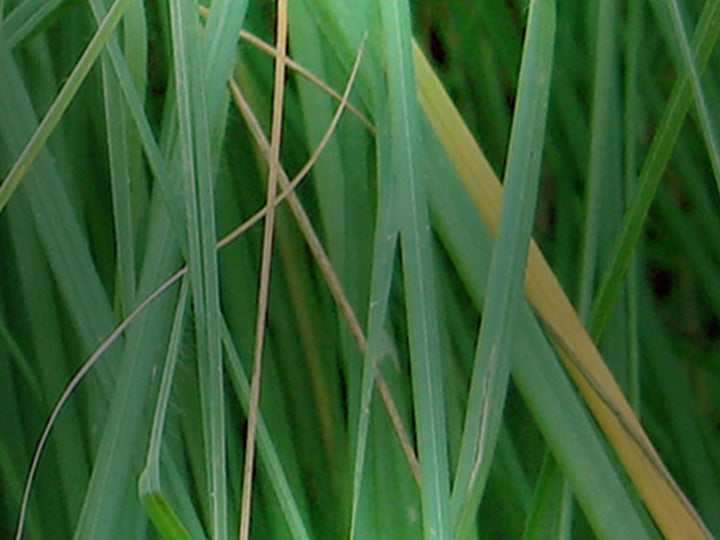
Kauna reed, a resilient aquatic plant native to the wetlands of Northeast India, is emerging as one of the most promising natural fibres in the world of sustainable textiles and handicrafts. Known scientifically as Schoenoplectus lacustris, Kauna thrives in the marshlands of Manipur and surrounding regions, where it has been traditionally harvested and woven into functional and artistic products for generations.
Origins and Cultural Significance
For centuries, Kauna reed has been deeply woven into the cultural fabric of the Meitei and other indigenous communities of Manipur. Artisans have used this plant fibre to create mats, baskets, storage containers, and ceremonial items. These handcrafted products are not only utilitarian but also carry symbolic meanings, often gifted during weddings and cultural festivals. The traditional knowledge of harvesting and weaving Kauna is passed down through generations, preserving both craftsmanship and cultural identity.
Harvesting and Processing
Kauna reed grows naturally in freshwater wetlands and is typically harvested during the dry season when the stalks are mature and firm. After cutting, the reeds are sun-dried to reduce moisture and increase durability. They are then split, flattened, and sometimes dyed using natural pigments before being woven. The process remains largely eco-friendly, requiring minimal energy and no harmful chemicals, making Kauna fibre a low-impact alternative to synthetic materials.
Properties of Kauna Fiber
Kauna reed fibre is valued for its strength, flexibility, and natural sheen. Its lightweight nature makes it ideal for weaving, while its porous structure allows air circulation, making Kauna products breathable and resistant to mold when properly maintained.
Some key properties include:
- High tensile strength
- Natural water resistance
- Biodegradability
- Lightweight and flexible texture
Applications and Modern Uses
While traditionally used for mats and baskets, Kauna reed has found new relevance in modern design and sustainable fashion. Designers now incorporate Kauna fiber into:
- Eco-friendly home décor
- Handbags and accessories
- Furniture accents
- Wall panels and art installations
Its natural aesthetic complements minimalist and organic design trends, making it popular in both local and international markets.
Environmental Impact and Sustainability
Kauna reed is a renewable resource that grows abundantly in wetland ecosystems. Its cultivation supports biodiversity and helps prevent soil erosion along water bodies. Harvesting Kauna encourages the maintenance of healthy wetlands, which play a crucial role in carbon sequestration and water purification.
By choosing Kauna-based products, consumers support sustainable livelihoods for rural artisans and contribute to environmentally responsible production systems.
Economic and Social Importance
The Kauna industry provides vital income for women-led artisan groups and small-scale cooperatives in Manipur. Government and non-profit initiatives have begun promoting Kauna products in national and international markets, helping preserve traditional skills while creating economic opportunities in rural communities.
Future Potential
As global demand for eco-friendly materials continues to grow, Kauna reed stands poised to become a significant player in the sustainable fibre market. With improved design innovation, branding, and ethical trade practices, Kauna products have the potential to reach premium global markets while retaining their cultural authenticity.
Conclusion
Kauna reed natural fibre represents a perfect harmony between nature, tradition, and sustainability. From the wetlands of Northeast India to contemporary homes and fashion platforms, Kauna continues to tell a story of resilience, craftsmanship, and environmental responsibility.