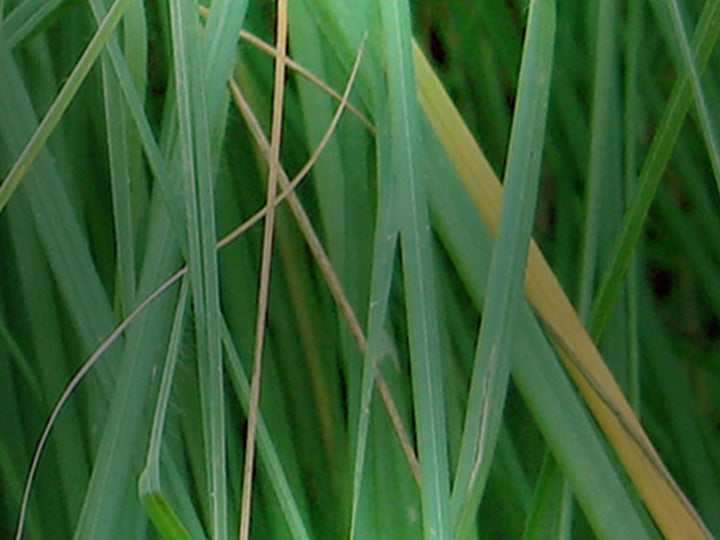
In a world increasingly focused on sustainability, bamboo has emerged as one of the most eco-friendly and versatile natural materials. Known for its strength, rapid growth, and minimal environmental impact, bamboo has been used for centuries to create beautiful handmade articles that combine functionality with cultural heritage. Today, these handcrafted bamboo products are gaining global attention as people seek greener alternatives to mass-produced goods.
The Beauty of Bamboo Craftsmanship
Handmade bamboo articles reflect the skill and creativity of artisans who transform simple bamboo stalks into elegant and useful items. The crafting process often involves cutting, drying, splitting, and shaping the bamboo using traditional techniques passed down through generations. Each piece carries a unique character, showcasing natural textures, patterns, and craftsmanship that cannot be replicated by machines.
Popular Handmade Bamboo Products
Bamboo’s flexibility and durability make it ideal for a wide range of handmade items. Some of the most popular bamboo crafts include:
- Home décor: Lampshades, wall hangings, flower vases, and decorative baskets
- Furniture: Chairs, stools, shelves, and coffee tables
- Kitchenware: Serving trays, bowls, cutlery holders, and chopping boards
- Lifestyle products: Handbags, storage boxes, pen stands, and organizers
These products not only serve practical purposes but also add a natural and earthy aesthetic to modern living spaces.
Eco-Friendly and Sustainable Choice
One of the biggest advantages of bamboo handmade articles is their low environmental impact. Bamboo grows quickly and regenerates without replanting, making it a renewable resource. The production of handmade bamboo items typically involves fewer chemicals and less energy compared to factory-made alternatives, reducing carbon emissions and waste.
Additionally, bamboo products are biodegradable, meaning they naturally decompose at the end of their life cycle, unlike plastic or synthetic materials that persist in the environment.
Supporting Artisans and Local Communities
As Bamboo grows extensively across India, with the highest concentrations found in the northeastern states, Madhya Pradesh, Maharashtra, Chhattisgarh, and Odisha. Mizoram and Arunachal Pradesh have the largest bamboo-bearing areas, while Madhya Pradesh and Maharashtra lead in overall production due to favourable, widespread forest conditions. The bamboo handicraft industry plays a vital role in supporting rural livelihoods. Many artisans, especially from these locations rely on bamboo craft for their income. By purchasing handmade bamboo products, consumers help preserve traditional skills, empower local communities, and promote fair trade practices.
Bamboo in Modern Design Trends
Today’s designers are creatively incorporating bamboo crafts into contemporary interiors and fashion. The combination of traditional craftsmanship and modern design has made bamboo articles popular in eco-friendly homes, boutique stores, and sustainable lifestyle brands. Their minimalist and natural look fits perfectly with modern, rustic, and bohemian décor styles.
Conclusion
Bamboo and its handmade articles represent a perfect blend of sustainability, tradition, and modern living. From simple household items to elegant décor and furniture, bamboo crafts offer eco-friendly solutions without compromising on beauty or functionality. Choosing handmade bamboo products is not just a lifestyle choice—it is a step toward protecting the environment and supporting the hands that keep this timeless craft alive.